

Researchers are hoping to transform the stems and foliage of potato plants into high value pharmaceutical and cosmetic ingredients.
The project involves scientists at the James Hutton Institute, working in partnership with Grampian Growers and Aberdeen University.
Managing waste
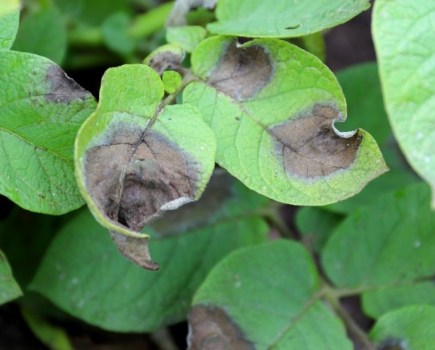
The Scottish seed potato industry produces approximately 51,200t of potato shaws (or haulms) annually as a byproduct of potato cultivation. However, this above-ground foliage is typically cut and discarded in the field.
But according to researchers, the foliage offers significant untapped potential, producing various high value compounds including solanesol – widely used in pharmaceuticals and the cosmetic industry, and usually derived from tobacco leaves.
Solanesol is the precursor for coenzyme Q10 and vitamin K2, widely recognised for their antioxidant and anti-ageing properties. It’s a vital component of various products used to treat migraines, neurodegenerative and cardiovascular diseases.
This project seeks to develop an ethical and more sustainable source of solanesol that would reduce reliance on tobacco cultivation, lower carbon emissions and contribute to Scotland’s circular economy.
New opportunities
JHI’s Dr Gordon McDougall says by fully exploiting the shaws for solanesol and other uses, the project will provide an additional income stream for farmers, especially during suboptimal harvest years. “By leveraging the potential of potato shaws, the project will make more complete use of potato biomass, reduce agricultural waste, and create new economic opportunities for Scottish farmers.”
Sofia Alexou, project lead at Grampian Growers adds that it offers an opportunity to add value to agricultural by-products while addressing key challenges such as waste reduction and economic resilience.
“By unlocking new revenue streams, the project supports Scottish farmers and enhances the profitability of co-operative models, demonstrating the potential of innovation to strengthen rural economies.”
Creating resilience
Based on the 12,800ha of Scottish seed potatoes grown in 2024, the industry could yield up to 120t of solanesol annually, presenting an opportunity for farmers to diversify income streams and support a more resilient agricultural model.
Equally, with the growing use of solanesol in cosmetic and naturaceuticals (products derived from food sources purported to provide extra health benefits), demand has increased from 4000t in the early 2000s to 66,000 tonnes by 2022.
Professor Heather Wilson from the University of Aberdeen says: “Exploring the quality and yield of solanesol extracted from locally-sourced potato shaws, and evaluating its potential applications across the cosmeceutical and related industries, represents an exciting and impactful area of research.
“This work not only supports the transition to ethical, tobacco-free sourcing of high-value compounds, but also advances sustainable innovation showcasing how science can unlock new value from agricultural by-products and strengthen the resilience of rural communities across Scotland and beyond.”