
By Guy Smith
The news that this year’s harvest area for UK oilseed rape was the lowest figure since 1983 has made rather grim reading. Given the crop was still in its introductory phase on most arable farms in the early eighties, it’s fair to say Harvest 2025 was actually an all-time low point.
The main reason for this demise has to be cabbage stem flea beetle pressure exacerbated by the neonicotinoid ban brought in 10 years ago. As someone who was involved in lobbying to hold on to neonic use when the ban was being proposed, I remember our warnings that it’d simply cause a decline in the UK OSR area which in turn would suck in imports from parts of the world where the chemistry was still used.
At the time we were accused of crying wolf by those pushing for the ban. Well guess what? That old wolf turned up and killed off half the crop area.
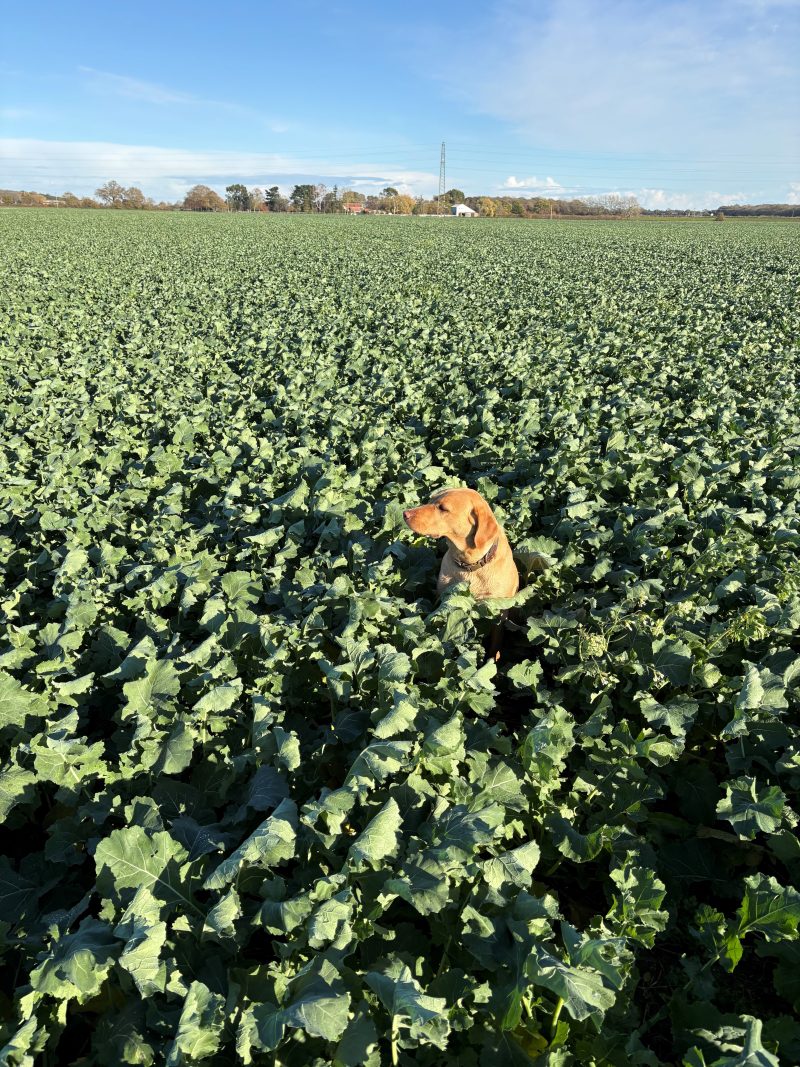
But, the good news is that with 2025 plantings for Harvest 2026 up 30% at 316,000ha, the crop seems to be bouncing back. The reasons why UK arable farmers are returning to the crop seems partly because market prospects for oilseeds look significantly better than for cereals, but also presumably the pressure from CSFB has waned.
Understanding why we aren’t losing crops to these cotyledon munching critters is worth exploring, not least because it might unlock the prospects for OSR going forward. Undoubtedly the good growing conditions this autumn have helped crops establish, but having said that, it does seem there aren’t the beetle numbers about that there’s been during the past decade.
Theories suggest this is due to the dull winter weather last year, particularly in the East and Southeast where we had the cloudiest December-February for a decade. The question then is, should we be monitoring winter sunshine hours to inform our cropping plans for autumn 2026? Personally, I’d like to see more research on this before I give it too much credence when making future management plans.
Another possible factor is the simple fact we’re growing less OSR and consequently rotations are becoming less bug friendly. This is backed by the fact high insect pressure 10-20 years ago was in those areas of the country where the crop was most common, and where growing it one year in three was regular practice.
The question then becomes, if the crop is set for a revival, are we also going to see beetle numbers surge to the point that it’s an unsustainable and false dawn?
I suspect for me, as someone who’d become used to having the crop as a key part of my arable rotation, that it’ll probably remain a bit of an unpredictable lottery. For someone who’s seen too many OSR crops fail I’m conscious that sowing the stuff can be an expensive habit. If SFI options become more restrictive in the next couple of years, then it’s a habit I might have to get back into.
This article was taken from the latest issue of CPM. Read the article in full here.
For more articles like this, subscribe here.
Sign up for Crop Production Magazine’s FREE e-newsletter here.