
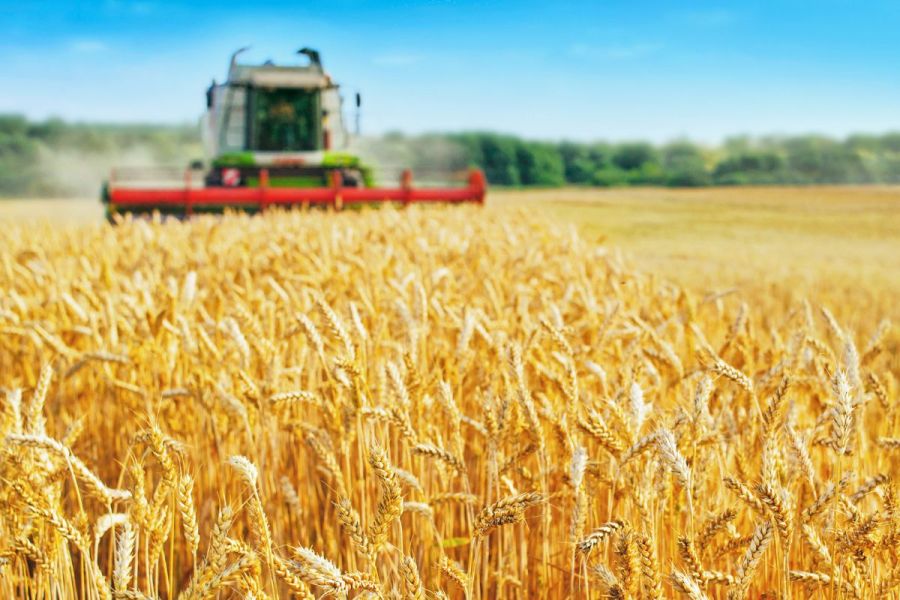
AHDB’s first harvest report of 2026 highlights how another year of exceptionally hot and dry weather has resulted in the earliest harvest since records began in 2006.
For the second consecutive year, combines have entered fields significantly earlier than normal, with many farmers across the South and East of England completing harvest 2-3 weeks ahead of the long-term average.
Challenging conditions
Anthony Hopkins, director of cereals and oilseeds says across much of the UK, combines have been rolling earlier than usual this year, with many farmers working through the night to avoid the most extreme daytime temperatures.
“While it’s encouraging to see oilseed rape yields improving on average, cereal yields have generally been below the 10-year average so far, with some farms experiencing significant reductions.
“Following successive years of difficult weather and rising costs, the financial pressures are becoming increasingly acute for those businesses hardest hit.”
Grain moisture
The report also highlights how growers have ‘in general’ managed grain moisture levels during the challenging conditions, while providing a more positive picture of crop quality.
This season, differences in rainfall and soil moisture retention have had a major influence on crop performance. Crops grown on lighter soils have generally been more affected by prolonged dry conditions than those on heavier land.
Anthony Speight, senior analyst, cereals & oilseeds, says: “Although harvest has progressed rapidly across most regions, we’re seeing considerable variation in yields between farms, reflecting differences in rainfall, soil type and cropping decisions.
“At this stage, the emerging picture points to disappointing cereal yields in many areas, but we’ll gain a clearer understanding as harvest continues.”