

With less than three months’ official notice, the industry was informed that much-revered R&D facility, Silsoe Spray Applications Unit, was to cease trading. With the end date fast approaching, CPM finds out what happens next.
“We can’t lose this, it’s just too important – the data Silsoe produces underpins a whole industry.” ROB PEARSON
By Janine Adamson
It was back in January when existing customers and key contacts were informed that Silsoe Spray Applications Unit (SSAU) will close at the end of March this year. The official notification, issued on behalf of managing director Robert Willey, cited that the business is no longer financially sustainable due to ‘changes in the level of contract income and the pressure of increasing costs’.
Being equally brief and straight to the point, the communication will have likely come as a shock to those who’ve become accustomed to the exemplary standards offered by SSAU, a facility grounded in decades of scientific excellence.
For those less familiar, Silsoe is the organisation behind much of the UK’s R&D for sprays and spray behaviour, with particular expertise in the application of agricultural plant protection products. This includes conducting field trials, laboratory work, utilising a specialised wind tunnel, and undertaking mathematical modelling for a raft of clients including government agencies.
Taking a closer look at Silsoe’s history to date, the unit has existed in its current guise as a private company since 2016, having previously been part of NIAB TAG following the closure of Silsoe Research Institute in 2006.
A familiar name to many in the trade, Clare Butler Ellis led the team at SSAU from 2010-2024, having recently taken partial retirement. Commenting on the impending closure, she says it will undoubtedly be a blow to UK agriculture, and on a personal level, is deeply disappointing.
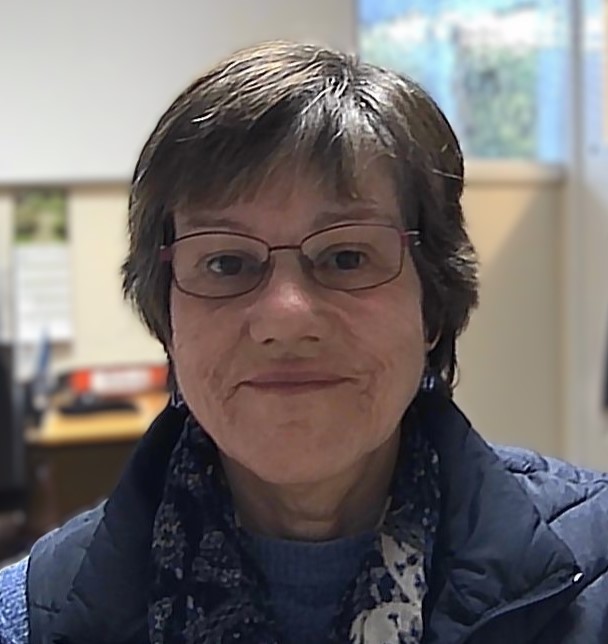
“We’ve always fought hard to keep Silsoe going, demonstrating that it can be viable. I’m very proud of the team that we’ve made a successful go of it since we entered the private sector 10 years ago under the current owner.
“Silsoe has built an amazing track record over the years – providing objective information for spray operators, data to support product registration and marketing, running the drift-reduction star-rating scheme for HSE, and providing research to support the UK, European and US regulators.
“Equally, we’ve built long and successful relationships with many agrochemical, adjuvant and equipment companies, as well as customers in other sectors, many whom have expressed their concerns regarding the closure.”
According to owner Robert Willey, despite approaching such firms in hope of securing a buyer, as well as Defra, HSE and various educational institutions, all were too risk averse to take a chance on the business. “The amount of revenue during the past two years in particular had dropped off and as such, all approached parties said the risk was too high,” he says.
“I’m very sad about it. It would have closed in 2015 if I hadn’t bought it, but we’ve managed to keep it going for another 10 or so years. However, if no one including the government is willing to put their hand up, then we can’t carry on in the same fashion.”
However from her perspective, while looking at the order book, Clare doesn’t believe there’s a reduction in demand for the work that the unit has been doing. In fact, the business has made a profit every year between 2016-2024, which she says is all down to the commitment, enthusiasm and professionalism of the SSAU staff, she stresses.
“So there’s always been the opportunity to grow the business, which would mean rising overheads would become less of a problem.
“Silsoe has had a unique combination of expertise and facilities that was second to none in the world, but it feels like this hasn’t been valued enough in the UK to ensure its survival and implement a robust succession plan. Yes staff reach retirement age, but the transition to new blood just hasn’t happened.
“I really hope this isn’t the end of independent spray application R&D in the UK, and that the industry and other funders can find a way to develop something new to meet the sector’s future needs.”
At the time of writing, all experimental work booked before the end of February 2026 should have been completed and delivered in full. Non-experimental such as report writing and data analysis should be concluded by the end of April.
For longer-term projects that extend beyond this, customers have been instructed to find alternative arrangements. As for HSE’s star-rating system, its future remains equally unclear now that its sole trusted assessor will be no more.
Many will be questioning why such little notice was given ahead of the confirmation of SSAU’s closure – less than three months – although Robert stresses that conversations have been taking place for several years. Clare adds that the pressured timescale from official notice to closure will have made it difficult for potentially interested parties to create a strategy, or devise a rescue mission.
“Although time is nearly up, there remains an opportunity should someone wish to take it. However, for long term sustainability, SSAU can’t continue in exactly the same fashion, it’ll require a fresh approach and some entrepreneurial thinking,” suggests Clare.
While some of the team have had no choice but to move onto new roles, she hopes that before it’s completely lost, the remaining expertise could be used to build something new. “Just as critical is somehow retaining the facilities and equipment, including the wind tunnel. Those are assets which can’t easily be replaced,” stresses Clare.
Robert confirms that unless something immediate happens, the equipment will ‘all be gone’, with plans to sell individual items to interested parties. “It’s a big shame having worked so hard to keep it going,” he comments.
Among those concerned regarding Silsoe’s abrupt closure is Syngenta’s applications specialist, Harry Fordham. With its own nozzle portfolio, Syngenta has worked closely with Clare and the SSAU team on not only R&D, but associated user guidelines.
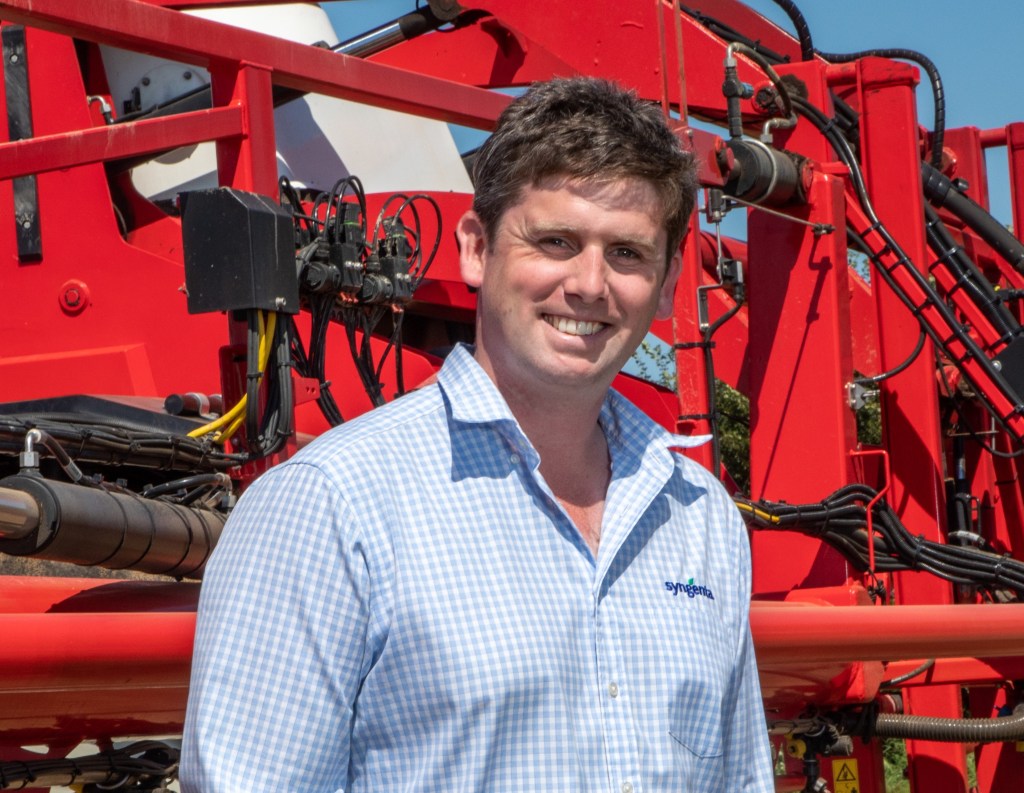
Although some may not be fully aware of SSAU’s impact on the face of it, Harry argues that its demise is a shame for the entire UK arable industry. “We’re losing an opportunity to innovate, to defend chemistry, to model, and to explore new application technologies. The UK will be on the back-foot; Silsoe’s closure is a significant risk to what we do and are able to achieve as an industry.”
He points out that despite Brexit not creating many opportunities for British farming, being away from the EU provides an opportunity for the sector to innovate in its own right. “But now in terms of pesticide application, we’ll be left behind.”
Equally disappointed is British Sugar’s Pamela Chambers, who queries what happens next. “Where do we now go for independent spray application work in the UK? I’m not aware of anywhere.”
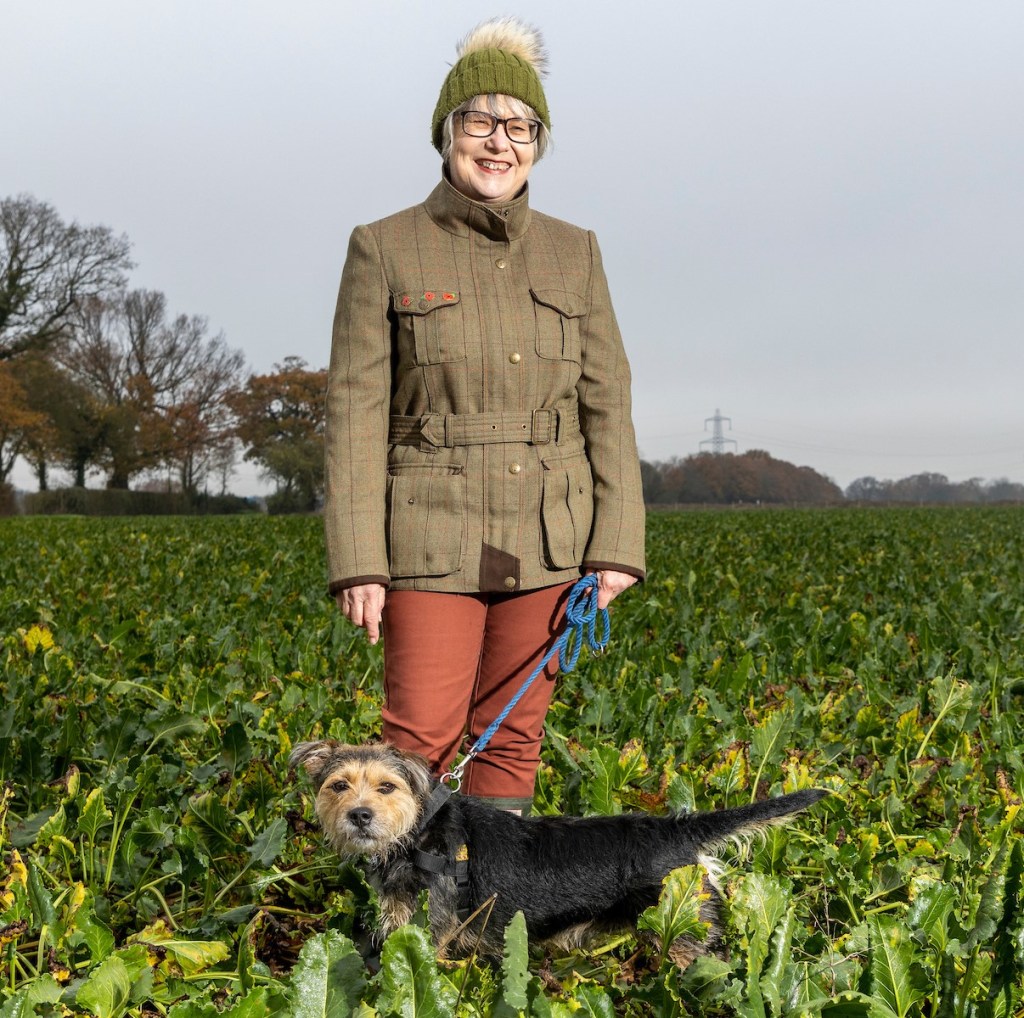
And unfortunately, she’s correct – similar facilities exist in the likes of Germany and Brazil, although waiting lists are up to 12-months, and that’s before considering potential wider logistical issues.
Pamela believes SSAU is simply the latest in a long line of research casualties. “I think it’s very difficult these days; earlier in my career we had many completely independent research institutes, now the majority depend on income from industry.
“With advances being made in precision application, the UK needs a trusted, go-to facility like Silsoe more than ever. I hope some kind of continued support can be given to the team so their work can live on,” comments Pamela.
Demonstrating this demand in action is Rob Pearson, CEO of agri-drone company, AutoSpray Systems. He explains that SSAU has been pivotal in enabling the use of agricultural drones in the UK – driving the creation of the spray drift analysis methodology that’s since been adopted across Europe.
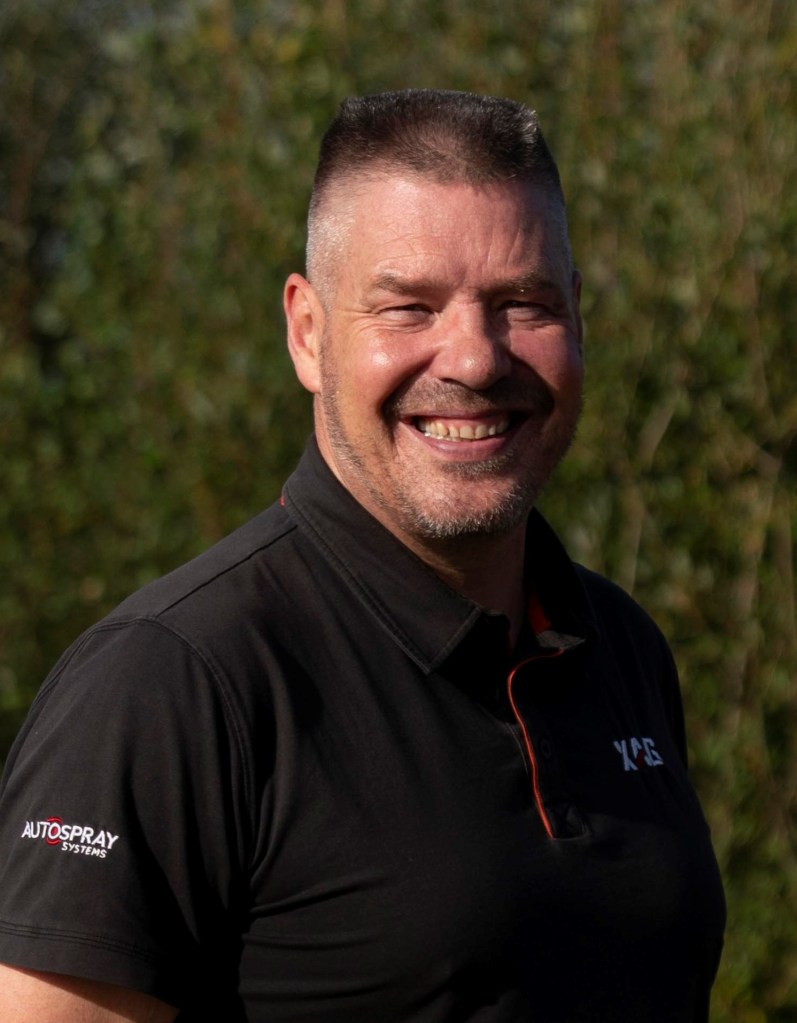
“Back in 2022, the government commissioned the Skies Without Limits v2.0 report by PriceWaterhouseCoopers (PwC). This highlighted the significant potential contribution of agricultural drones to the UK environment, treasury and jobs, and subsequently, meant the government made enabling drones a key ambition.
“While this was a pivotal moment, to facilitate the aerial application of plant protection products specifically, the CRD/HSE requested regulatory standard spray drift data. Working with Clare and the Silsoe team, we were able to not only realise this, but create standardised methodology for spray drift analysis.
“The standards created by Clare have not just been utilised by the UK, but they’ve been rolled out across Europe too. And, it’s only been possible because of Silsoe being such a revered institute,” argues Rob.
But, it’s just the beginning for this kind of work, he points out. “New drones are continually being developed and innovated, and therefore all require supporting evidence. Just when we were gearing up for an exciting future, we’re losing the experts behind the data who provide the evidence to enable the technology.
“The government has shown its firmly behind drones – it’s a sector that’s rapidly growing – yet without realising it, the UK is about to lose billions of pounds of potential.”
Rob believes the closure of Silsoe has the potential to knock the UK agricultural drone industry significantly. As such, he’s hoping to raise awareness and highlight the potential loss, which was behind his impetus to speak to CPM, he says.
“Ultimately, I think the government should step in. We’re losing our global leadership position in this field, it’s something we were at the forefront of in an area that’s ready to explode. We can’t lose this, it’s just too important – the data Silsoe produces underpins a whole industry.”
Clare agrees: “We are world-class in this area of R&D, and that’s being damaged unnecessarily. There’s so much potential if the right, open-minded individual could come in and demonstrate some entrepreneurial drive.
“It would be a great job for the right person in the future – it’s clear it should have been a viable business moving forward. Hopefully, all is not lost,” she concludes.