
A survey led by Association of Independent Crop Consultants (AICC) members suggests wheat dwarf virus (WDV) may be more widespread than previously thought.
Transmitted by the leafhopper Psammotettix alienus, the virus has long been recognised as a damaging cereal disease in continental Europe.
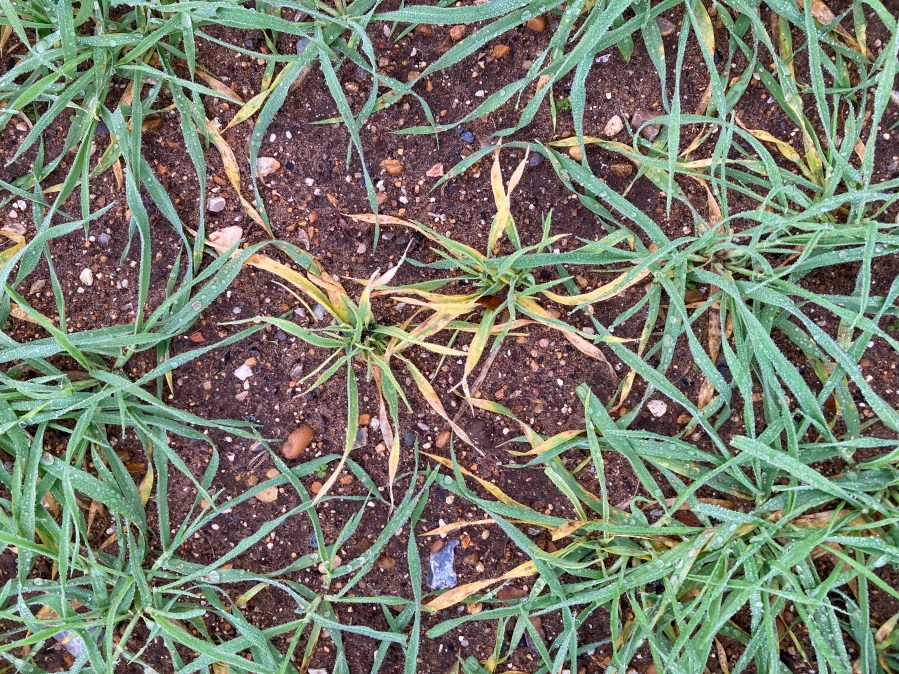
Its symptoms can be confused for barley yellow dwarf virus (BYDV), meaning it may have been overlooked or misdiagnosed in the UK. As such, a collaboration of AICC members, entomologists and plant virologists, has confirmed WDV incidence at multiple sites in 2025 through targeted sampling and laboratory testing.
Winter wheat
Positive results have largely been seen in winter barley, but significantly, the disease has also been uncovered in recent winter wheat samples from Norfolk. The emerging picture was revealed and discussed at a recent AICC technical meeting, chaired by Chris Nottingham of Apex Agronomy.
Tim Martin, also of Apex Agronomy, and entomologist Alan Dewar, shared field observations and survey results from East Anglia, along with the international context of vector biology and disease behaviour.
Tim said independent agronomists are walking crops across large areas every week. “That puts us in a strong position to detect emerging issues early and, by working with researchers, turn those observations into robust, practical evidence.”
Initial results indicate that WDV is spread by primary infection in early autumn, rather than secondary spread within crops, aligning with the life cycle of the leafhopper vector. Patterns observed so far point toward greater risk in early-drilled crops, particularly on lighter soils following hot and dry summers that favour vector activity. Grasses, volunteers and cover crops may also act as reservoirs for the virus.
Understanding risk
Importantly, the collaboration is focused on understanding risk rather than generating alarm. “We aren’t saying this is a problem everywhere, but without recognising what we’re seeing in the field, the industry can’t assess where the risks lie, or where research should be focused,” explained Tim.
Researchers involved in the work have highlighted significant gaps in current knowledge, including the national distribution of WDV, the strains present in UK cereals, and the effectiveness of cultural and varietal mitigation measures under UK conditions.
AICC members are now being encouraged to report suspected cases and submit samples to extend the survey beyond East Anglia. Findings will be shared with AHDB and Defra to support evidence-based decisions on future research priorities and management.
Survey findings to date
- Wheat dwarf virus confirmed at multiple sites in eastern England
- Infection detected in both winter barley and winter wheat
- Symptoms easily confused with BYDV, suggesting historical under-reporting
- Primary infection in early autumn rather than secondary within-crop spread
- Early drilling, hot dry seasons, light soils and grass reservoirs increase risk