
by Martin Lines
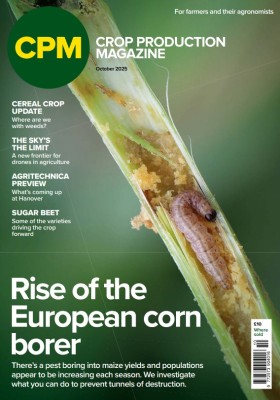
In last month’s issue, editor Janine Adamson in her Last Word talked about the move towards digitisation, rather than reading a physical copy of this magazine.
For me, reading online is great when you’re out and about or want to check something in a past issue. But you can’t beat sitting down, having a break and flicking through the pages. There’s something relaxing about opening a freshly printed magazine – it has a certain smell about it – and creates an opportunity to slow down and focus on reading whether that’s at the kitchen table, on the tractor seat, or in the truck.
To me, having something physical is more engaging than something read on the screen; it brings your senses together from what you see, hear, smell and feel. Many of our supermarkets are particularly good at triggering our senses – from the smell of freshly baked goods wafting over the entrance doors to the relaxing music being played, or, that dazzling special offer in your eyeline.
Farmers in particular are, I feel, very sensory beings, particularly those used to working with nature. Smelling the soil, spying signs of pests or disease, listening to new species of birds joining the dawn chorus on their farms.
I often think about farmers of the past who were far more connected to their soil and the environment than we are today. Following the horse-drawn plough, seeing the soil move and smelling it, manually trimming and laying hedges and cleaning out drains and ditches by hand gave them very different experiences and connections.
I’m not suggesting we should go back to those times, but farmers of days gone by were far more in tune with their soils, the wider environment and seasons. Many farmers today spend much of their time in a tractor cab or the office, and are likely to miss out on the subtle cues nature offers to help steer the management of our farms.
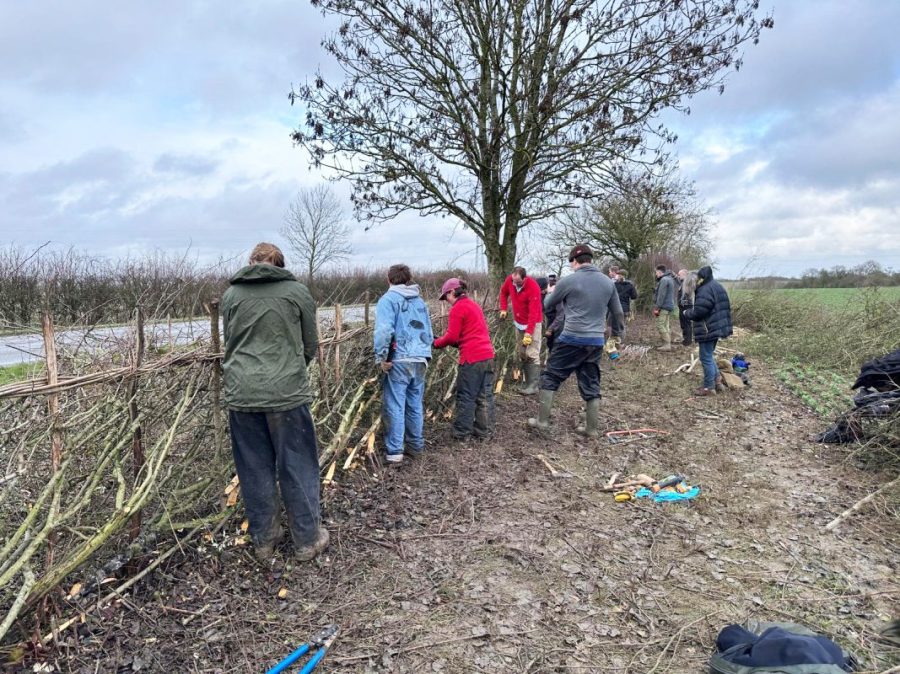
Last month, I hosted a hedge-laying training day for a group of farmers and members of the public who have an interest in hedge management. Putting farmers in a classroom and talking at them will only ever have a limited impact. Put them in the field or on a machine to immerse their senses, and connection and understanding will follow. Everyone has different learning styles, but engaging in a multidimensional way – particularly for us farmers, who are often neurodiverse – has clear benefits.
It was great to see them get stuck in, thinning out the hedge and preparing to lay it. I was pleased to get rid of the plastic guards we’ve failed to remove since we planted it some twenty years ago! It was surprising to see how many old birds’ nests were in the short section that we worked on, and the number of mice and voles that were running around in the grass as we worked.
After three hours’ work, we ended up with a very neatly laid section of hedge and a satisfied group of people who learnt new skills and connected to the farmed landscape in a new way – seeing the fruits of their labour, listening to scuttling rodents in leaf litter, smelling the freshly cut wood.
Hopefully, during the next few years and with the government’s grant support, we’ll be able to lay the majority of our hedges to thicken them up for wildlife habitat; it’ll also help to prevent unwelcome visitors driving through the thin patches…
Everybody connects to things differently and has a unique learning style. As farmers transitioning our approaches to build resilient businesses, now is the time to capitalise on sharing practical knowledge, attending local farm walks and knowledge-exchange events. Seeing, hearing and feeling things we might like to experience on our own farms.
This article was taken from the latest issue of CPM. Read the article in full here.
For more articles like this, subscribe here.
Sign up for Crop Production Magazine’s FREE e-newsletter here.