
Beaver-created wetlands increase pollinator numbers, boosting biodiversity, according to new research by the University of Stirling.
The research compared the pollinators found around wetlands made by beavers, with those found around human-created ponds. It shows, for the first time, that beaver-created wetlands are home to greater numbers of hoverflies and butterflies than human-created equivalents.
Specifically, beaver-created wetlands show a 29% increase in hoverfly species, 119% more hoverfly individuals and 45% more butterflies than those that were artificially created.
Scalable nature recovery
Study lead Patrick Cook, PhD researcher at the University of Stirling and senior ecologist at Butterfly Conservation, hopes that beaver wetlands will now be viewed as a scalable nature recovery strategy to reverse the decline of pollinators – but has warned that landowners have to be incentivised.
“Pollinators such as bees and butterflies, are undergoing widespread and dramatic declines in the size of their populations. This has negative effects on the delivery of pollination, but it is also leading to the loss of some of our most charismatic species from the countryside.
“We urgently require methods to reverse these declines. Currently, in the United Kingdom, most agri-environment subsidy schemes support human pond creation, with little financial incentive for landowners to accommodate beaver wetlands – despite the potential boost in pollination services.
“This has to change if we’re to benefit from the buzz, flutter and hum of pollinators that beaver wetlands promote.”
The study also indicates that beaver wetlands diversify the flower foraging opportunities for pollinators, illustrating the important role they can play in boosting pollinator numbers within agricultural landscapes.
Beaver reintroduction
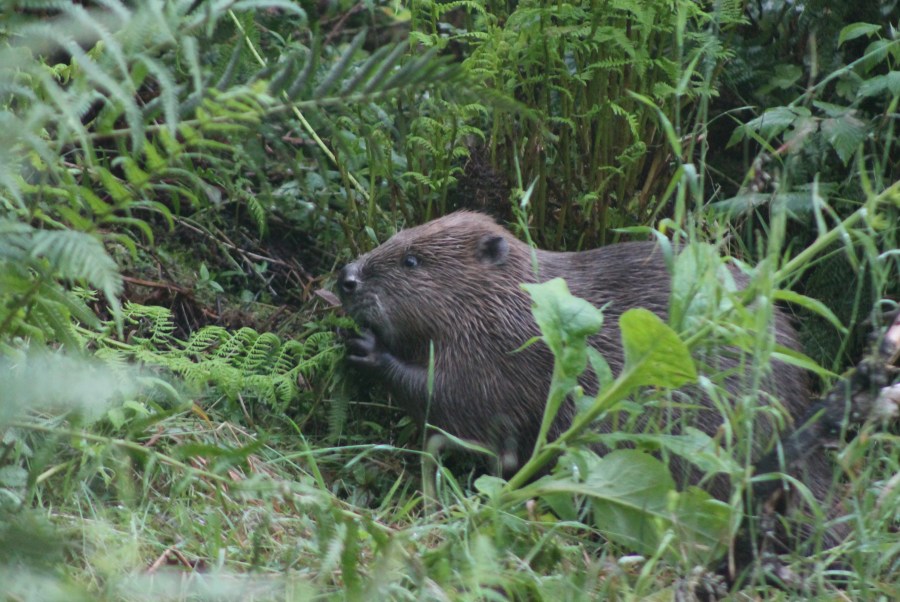
Reintroducing beavers is a well-known and increasingly popular way of creating habitat for wildlife, as beavers make wetlands by building dams and felling trees. Beavers have well-documented benefits for aquatic wildlife, but understanding of the impacts they have on land-based wildlife, such as pollinators, remains limited.
For the study, researchers surveyed land around the edges of beaver wetlands and human created ponds in 2023, counting species and individuals of bees, butterflies, hoverflies and day-flying moths. They also recorded interactions between these groups and flowers, with the pollinator surveys repeated six times from May to August at Bamff Wildland, a rewilding estate in Perthshire, and two neighbouring private farms.
Patrick comments that the work adds further important evidence of the beneficial effects of beaver wetlands for wildlife, in this instance pollinators. “If we want to realise these benefits, we have to go beyond removing dams and incorporate these wetlands fully into agri-environment schemes to support landowners with beavers on their land.”
Professor Nigel Willby, professor of freshwater science at the University of Stirling added: “On occasion there may be valid reasons to remove a beaver dam. But we should remember that for every beaver dam removed, a beaver wetland dies, along with a multitude of attached benefits, including for pollinators.”
The study, Beaver wetlands create a buzz and a flutter for pollinators, was published in the Journal of Applied Ecology.