
by Martin Lines
The old saying ‘time goes quicker as you get older’ certainly feels true this year, especially as most of our crops are roughly three weeks ahead of normal. The impact of this year’s weather on the crops will leave another memory of what could have been: the season started so well, but with the ongoing lack of moisture, they won’t meet their potential.
My mind starts turning to ideas for different crop varieties that could withstand these ever-increasing extreme bouts of weather – whether that be flooding or drought.
As such, it’s a lovely time of year to go out and visit field trials and other events to see the latest varieties, but also our heritage varieties, and how they’re performing in current conditions. The past five years have all been significantly different to each other in terms of the weather at any particular point in the year, so to say what a ‘good all-rounder’ might be, or what the potential is of a crop based on this year, is becoming more difficult and unreliable.
We’re on the lookout for some different varieties to grow, as we’ve seen disease-resistance breakdown in our winter wheats. We farm following regenerative principles as much as possible, but I notice crop trials are often based on full cultivation systems, so are these results useful to me? I’ve seen a few trials being done on reduced tillage or direct drilling following cover crops, and these certainly show up differences between the varieties within this type of system.
Earlier this year, I listened to a great speaker at the BASE-UK conference, sharing the results of their trials on which varieties worked well in direct-drilled situations, and which varieties underperformed. The results highlighted the value of this sort of research, and evidenced that it’s not just finding a winning standard variety; it’s about the right variety, in the right conditions, in the right fields, in the right areas.
This makes our variety choices more complicated, but I feel a little extra thought and planning before buying seed is worth it if the crops will be more suited to, and therefore resilient in, their environment.
High-yield, high-input systems are so risky. For me, I’ll be looking for good all-rounders, but those that potentially have added premiums when the market conditions allow. This seems to deliver more resilient, positive gross margins for us.
As government policy and supply chain incentives encourage us to use lower disturbance soil approaches and more direct drilling, we need variety trials to be more focused on growing crops in the types of systems we’re actually using now.
Many of our older varieties excel in heavy cultivation, full inversion tillage and bare ground. But many of us have begun the transition to lower or min-tillage. Also, considering what catch crop or cover crop was grown before a trial could have significant differences to results. So do we have to set a standard approach to regenerative crop trial systems?
As with most things in life nowadays, it’s an additional challenge and there’s more learning to be done, but magazines like this one that cover many different approaches and systems, helps ensure knowledge can be shared.
I always advocate getting out onto other people’s farms to see how somebody else is achieving things you’re also doing. We must be better at talking about the failures as well as the positives to help others avoid those mistakes if possible. Farming is such a challenge at the moment, but by working together and sharing ideas, strategies and approaches, we can help each other to prepare for the cropping year ahead – whatever the weather.
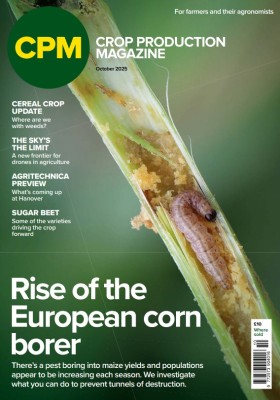
This article was taken from the latest issue of CPM. Read the article in full here.
For more articles like this, subscribe here.
Sign up for Crop Production Magazine’s FREE e-newsletter here.