
While a dry spring and summer might suggest slugs should be of no concern, experts warn that all it takes is one rain event to change the threat level considerably. CPM reveals why the threat of slugs shouldn’t ever be downplayed.
“The assumption is often that a dry summer means fewer slugs; but reduced activity and reduced risk aren’t necessarily the same thing.” PHIL CARPENTER
By Janine Adamson and Rob Jones
Of all the pests to thrive in dry, drought-like conditions, logic would suggest the lowly slug wouldn’t be one to come out fighting fit. And although the mollusc requires moisture to remain active – of which there’s been very little this year so far – the story isn’t quite that simple.
That’s according to managing director of De Sangosse UK, Phil Carpenter, who suggests while growers may presume slug pressure will be lower heading into this autumn, the reality could be very different.
“The assumption is often that a dry summer means fewer slugs,” he continues. “But reduced activity and reduced risk aren’t necessarily the same thing.”
These thoughts are based on slugs being survival experts, adds Phil. While hot, dry conditions reduce surface activity, many slug species are adept at surviving adverse weather. They can seek out cooler, protected environments and remain inactive until conditions improve.
According to Benoit De Schepper, global R&D manager for baits at De Sangosse, it’s also worth noting that slug pressure develops over time. “The populations growers encounter in autumn are often the result of survival and reproduction during a number of seasons, not simply what’s happened over the previous few months,” he explains.
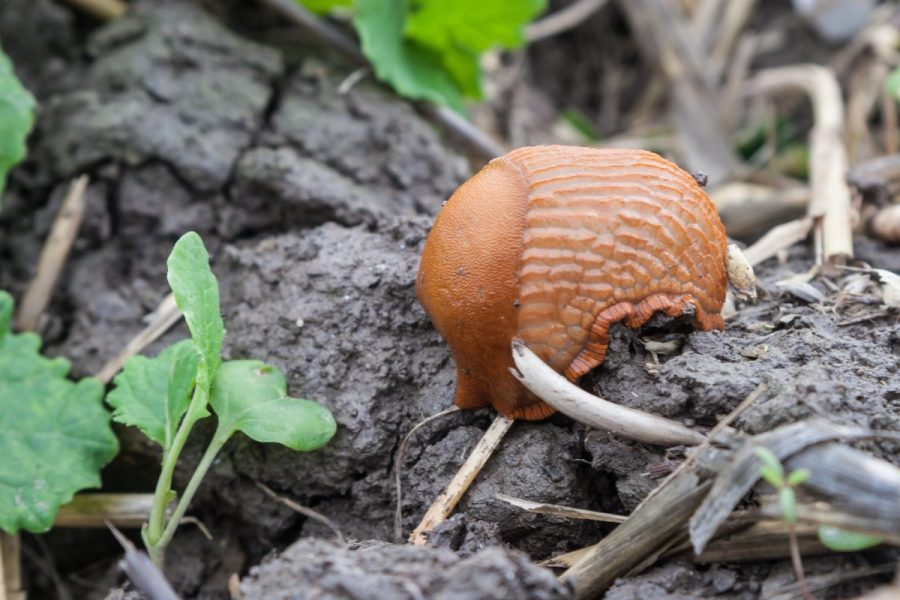
“Even where visible activity has been low, surviving adults can remain present in soil cracks, beneath residues and in other protected refuges waiting for conditions to improve. One thing we see consistently across Europe, is that periods of low slug activity shouldn’t automatically be interpreted as low risk.”
As such, it isn’t what necessarily happens in June and July, it’s what occurs when moisture returns and vulnerable crops start emerging, says Phil. For example, a period of rainfall around harvest or drilling can quickly alter conditions at the soil surface, encouraging renewed movement and feeding activity. “A dry summer might tell us less about autumn slug pressure than the first meaningful rain after harvest,” he highlights.
“The danger is assuming the risk has gone away just because conditions have been dry and activity has been low. In reality, the slugs haven’t disappeared – they’ve simply been sitting tight and waiting for conditions to improve. That’s when we may start to see the real picture emerge.”
For Adama’s Catherine Whaley, not only may slugs re-appear as soon as there’s rain, merely a heavy dew can be enough to kick-start slug activity overnight. “And given the lack of cold weather during the past winter, it’s likely that pressure is higher than it would have been in years where we’ve experienced significant frosts. Being hermaphrodites, the reproductive potential of slugs is huge, in fact, any stress from drought would have the effect of causing them to produce eggs,” she raises.
Rather than relying on assumptions based on seasonal weather patterns, Phil urges growers to return to the fundamentals of risk assessment: field history, soil type, cultivation strategy, crop choice and active monitoring.
SEASONAL CONTEXT
Equally, this season’s earlier harvest could add another variable, notes Phil. “Many growers are expecting an extended period between combining and autumn drilling, creating opportunities for volunteers, crop residues and green bridges to develop.”
In particular, one watch-out is the combination of an earlier harvest and chopped straw. This is because where straw is left on the soil surface and rainfall arrives after harvest, it can help to create a cooler, wetter environment beneath the residue layer.
Add in potential volunteers, grassweeds and other green material beginning to chit, and conditions can quickly become favourable for slugs, warns Phil.
Then another factor to consider is the amount of surviving oilseed rape stem material present in some harvested crops. With conditions so dry, some growers chose to not desiccate crops before harvest and as a result, green stems can remain in stubbles after combining.
According to Phil, although fields may appear dry from above, those stems can provide both shelter and a source of moisture for slugs during hot conditions. “At first glance a field might look pretty hostile. But when you have green OSR stems, chopped residues and some moisture underneath, you’ve potentially created somewhere slugs can sit out difficult conditions.”
RIGHT HERE, RIGHT NOW
This brings home the importance of noting exactly what’s happening in the field right now – if favourable conditions return after harvest, these may support slug activity and egg laying. Equally, given the reproductive potential of slugs, it doesn’t take many surviving adults to generate significant juvenile pressure ahead of crop establishment, notes Phil.
“Historically, we tend to focus on adult slugs because they’re easier to find. But from an establishment perspective, juvenile activity can be just as important. If conditions are right for egg laying after harvest, you could find juvenile slugs emerging just as autumn crops are becoming vulnerable.”
And while the current renewed confidence in OSR is positive overall, it does have implications for practical slug control, reminds Phil. “Slugs remain one of the most significant establishment threats facing emerging OSR crops, despite the industry having learned a lot about the crop’s establishment during the past few years,” he comments.
“Growers are placing more emphasis on drilling conditions, nutrition, variety choice and establishment strategy, but, slug pressure remains a key consideration.”
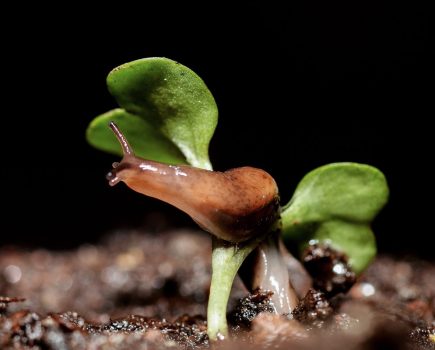
Catherine agrees: “It’s really important that growers stay alert for slugs, monitor the situation and be prepared to protect vulnerable crops like OSR as they’re drilled. Damage sustained at emergence of the crop can result in the loss of entire seedlings. This situation can get out of control very quickly as soon as the rain comes, so everyone has to be prepared,” she stresses.
In fact, in many scenarios, protecting crop establishment is far more valuable than reacting once damage is already visible, believes Phil. And it’s this shift in thinking that’s changing the way many growers approach slug management.
Rather than viewing control as a response to visible damage, there’s increasing interest in reducing the risk before problems develop. As such, Phil highlights that the De Sangosse ferric phosphate label permits applications from seven days pre-drilling. “Applying before crop emergence also offers an important advantage – there’s no competition from seedlings, allowing bait to remain the most attractive food source available to slugs.”
Early intervention allows growers to reduce populations before seedlings emerge, giving crops the best possible start, adds Benoit. “Monitoring remains essential, both before and after application, to ensure bait remains available and to determine whether a follow-up treatment is required,” he urges.
For Phil, as farms continue to operate at larger scales, pellet quality and spread performance are becoming increasingly important. “Every pellet application is an investment; growers want confidence that they’re achieving reliable coverage and giving every slug the opportunity to encounter bait,” he concludes.
This article was taken from the latest issue of CPM. Read the article in full here.
For more articles like this, subscribe here.
Sign up for Crop Production Magazine’s FREE e-newsletter here.