
The results of an eight-year study into the relationship between robust commercial farming and thriving pollinator populations have been published.
Pollinators in Practice: Connecting crops and pollinators with practical on-farm solutions, is a collaboration between farmers and researchers to connect crops and pollinators for practical on-farm solutions.
Commissioned by BASF, it demonstrates that robust commercial farming and thriving pollinator populations can co-exist.
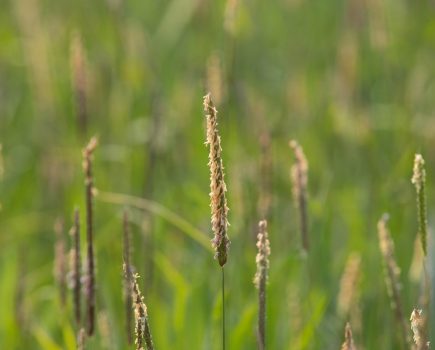
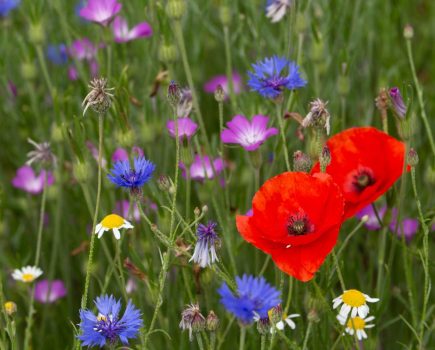
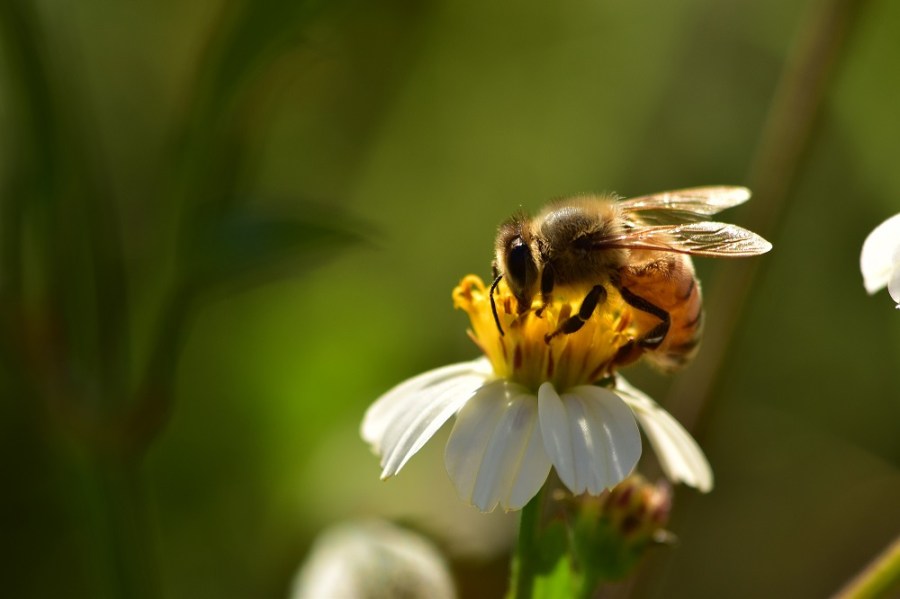
Visiting every 3-4 weeks between 2018 and 2024, farmland ecologist Marek Nowakowski recorded the presence of flowering plants and pollinators across an 850ha Northamptonshire arable farm. Here he documented 89 species of unsown plants, and 83 sown species, as well as 22 butterfly species and 35 bee species.
“Pollinators in Practicedistils our collective learning. Not only does it share the findings of the study, but it’s a comprehensive, data-backed guide to enhancing pollinator populations on UK farms,” explains BASF’s Rob Gladwin.
The Grange
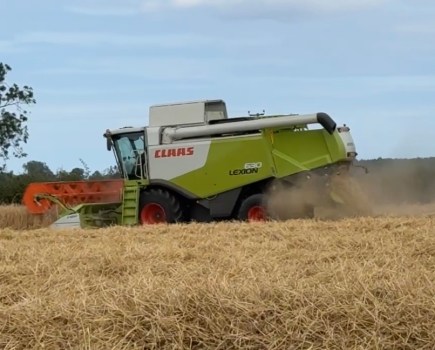
The study was conducted at The Grange in Northamptonshire, with the aim of bridging the gap between research and practice; demonstrating that hedgerow preservation, wildflower meadow rotation and other habitat enhancements are proven strategies that can be incorporated into commercial farming with tangible benefits.
“Pollinators are estimated to contribute £680m annually to UK agriculture, fertilising everything from oilseed rape to strawberries,” explains host farmer, William Pitts.
Commenting further on the project, Marek added: “This long-term study shows three key points. Firstly, the vital unbroken supply of pollen and nectar; the spring delivery from unsown plants and summer supply from mainly sown flowers. Secondly, pollinators can thrive on an intensive arable unit, if there are a range of quality habitats. And thirdly, the value of practical guidance for others to follow.”
Showcase
Like many of the previous projects, the pollinator study has attracted individuals and organisations to The Grange, from Defra to farming groups and conservationists.
“By opening the gates of The Grange to visitors, William has enabled policy makers to ground proof their work and decision-making. For the farmers that joined us, it was a benchmark, learning opportunity and access to much-needed support,” says Rob.
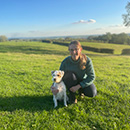
“I wish I could show everyone with a stake in British agriculture around The Grange. Being immersed in a landscape that pulses with life reminds you that agriculture can coexist with nature,” adds William.
View Pollinators in Practice here.